
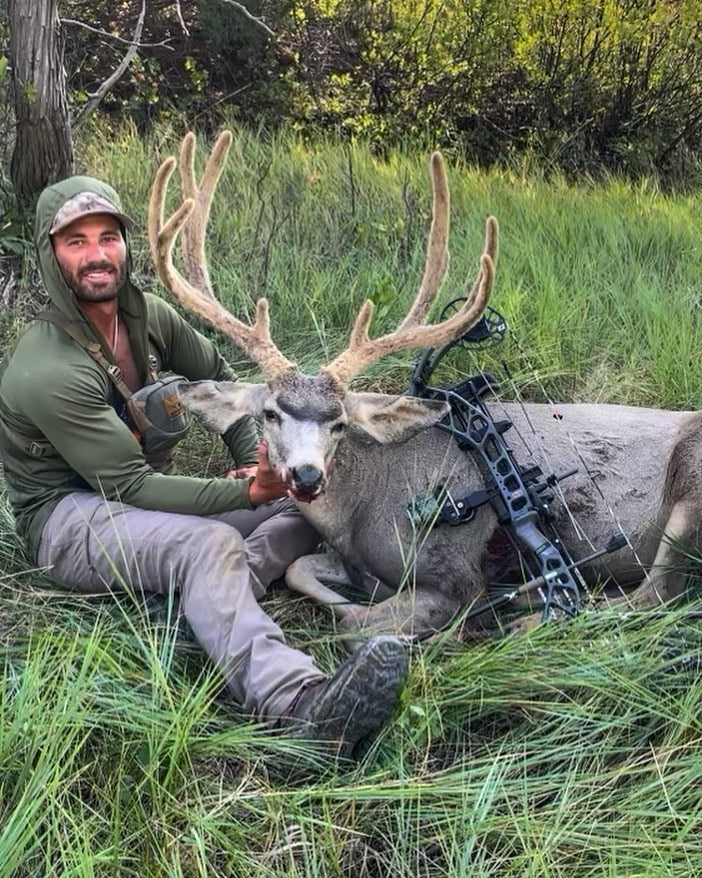
How to Minimize Buck Fever
If you've ever been hunting and found yourself trembling, unable to steady your aim, or overwhelmed with excitement when a deer steps into your sights, you've experienced buck fever. It’s a natural phenomenon, especially for newer hunters or those who haven’t spent much time in high-pressure hunting situations.
While the adrenaline rush is part of what makes hunting exciting, it can also lead to missed opportunities. Fortunately, there are effective ways to manage and overcome buck fever. Below are practical tips to help you stay calm, focused, and confident when the moment of truth arrives.
1. Understand Buck Fever
Buck fever isn’t a flaw—it’s your body’s natural response to a high-stakes situation. A surge of adrenaline can cause:
Shaking hands.
Rapid heart rate.
Tunnel vision.
Difficulty controlling your breathing.
Recognizing these reactions as normal is the first step toward managing them effectively.
2. Practice, Practice, Practice
Confidence is one of the best defenses against buck fever, and it comes from consistent practice:
Target Practice: Shoot in realistic hunting scenarios such as from a treestand or kneeling position.
Simulate Pressure: Add time constraints or distractions to mimic real hunting intensity.
Focus on Accuracy: Emphasize clean execution over speed.
The more confident you are in your abilities, the easier it will be to stay calm in the field.
3. Control Your Breathing
Controlled breathing is a powerful tool for calming nerves and reducing physical symptoms of buck fever:
Take slow, deep breaths.
Exhale deliberately to steady your body.
Focus on your breathing instead of the deer.
This simple technique can dramatically reduce shaking and restore focus.
4. Visualize the Shot
Mental preparation is just as important as physical practice:
Imagine Success: Visualize the entire shot sequence, from spotting the deer to a clean harvest.
Rehearse Movements: Picture yourself drawing your bow or raising your rifle smoothly.
Focus on the Vital Zone: Lock in on the target area to minimize distractions.
Visualization builds familiarity and confidence before the real moment arrives.
5. Focus on the Process, Not the Outcome
Buck fever often intensifies when hunters fixate on the size of the animal or the result. Shift your attention to the process:
Identify a legal and ethical target.
Settle your aim and confirm your anchor points.
Execute a smooth, controlled shot.
Breaking the moment into manageable steps reduces mental overload.
6. Desensitize Yourself to Deer Encounters
The more exposure you have to deer, the less overwhelming encounters will feel:
Scout regularly and observe deer behavior.
Sit in hunting locations without a weapon to practice observation.
Review trail camera footage to become comfortable seeing deer up close.
Familiarity reduces anxiety and sharpens focus.
7. Have a Plan
A clear plan helps you stay composed and confident:
Pre-determine shooting lanes and ranges.
Mentally rehearse your shot process.
Decide ahead of time which shots you will take or pass on.
Preparation reduces uncertainty and boosts confidence.
8. Keep Perspective
Hunting is about more than just the harvest:
Learn from every encounter.
Stay positive even after missed opportunities.
Appreciate the experience and time in the field.
Reducing self-imposed pressure makes hunting more enjoyable and productive.
9. Practice Ethical Hunting
Ethical hunting requires patience and discipline:
Only take shots you feel confident in.
Wait for a clear, ethical opportunity.
Pass on shots if you feel rushed or unsteady.
Focusing on ethics naturally helps calm nerves and sharpen decision-making.
10. Gain Experience
Experience is the most effective cure for buck fever:
Start with smaller game to build confidence.
Reflect after each hunt to identify improvement areas.
Be patient—confidence grows with time in the field.
Final Thoughts
Buck fever is a rite of passage for hunters, but it doesn’t have to limit your success. With preparation, practice, and the right mindset, adrenaline can become an advantage rather than a hindrance.
Stay calm, trust your training, and embrace the thrill of the hunt—it’s all part of the adventure.

Leave a comment
This site is protected by hCaptcha and the hCaptcha Privacy Policy and Terms of Service apply.